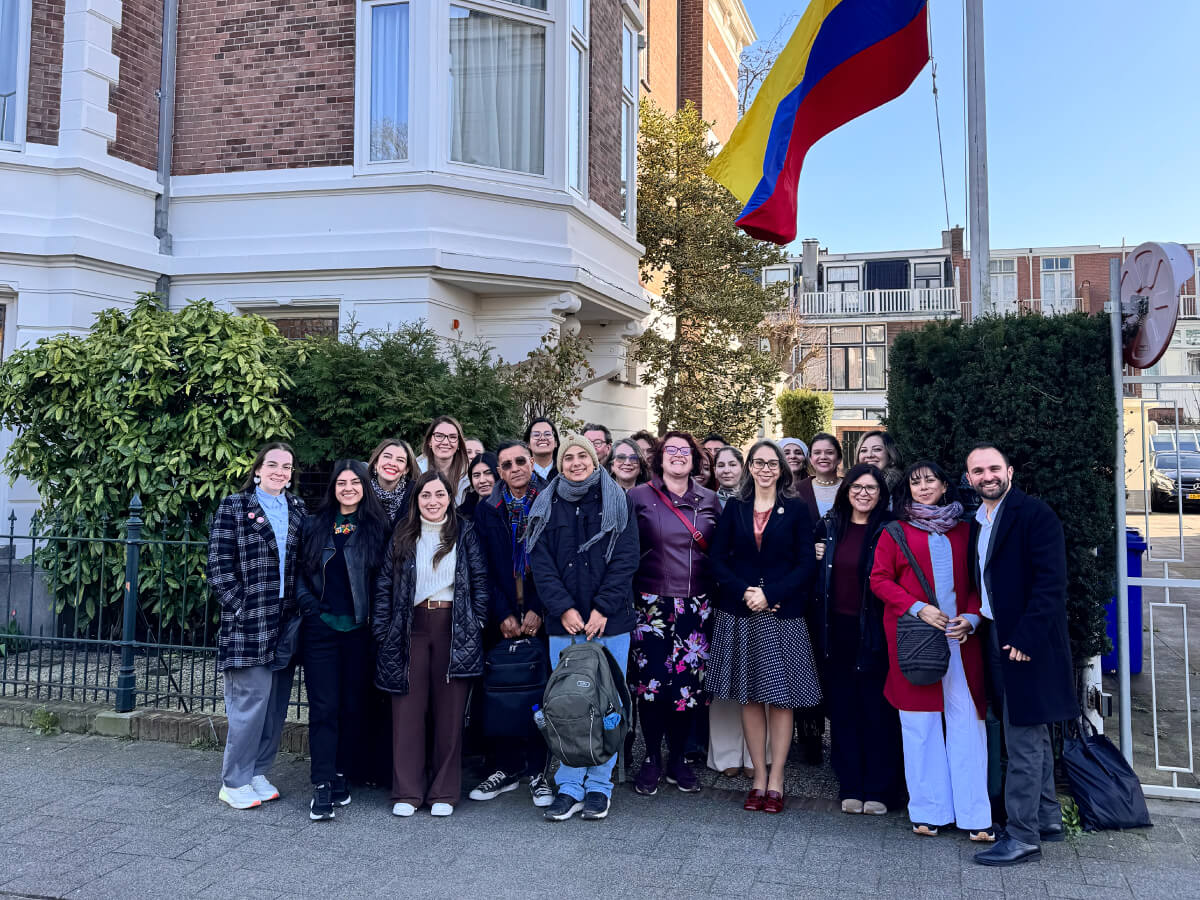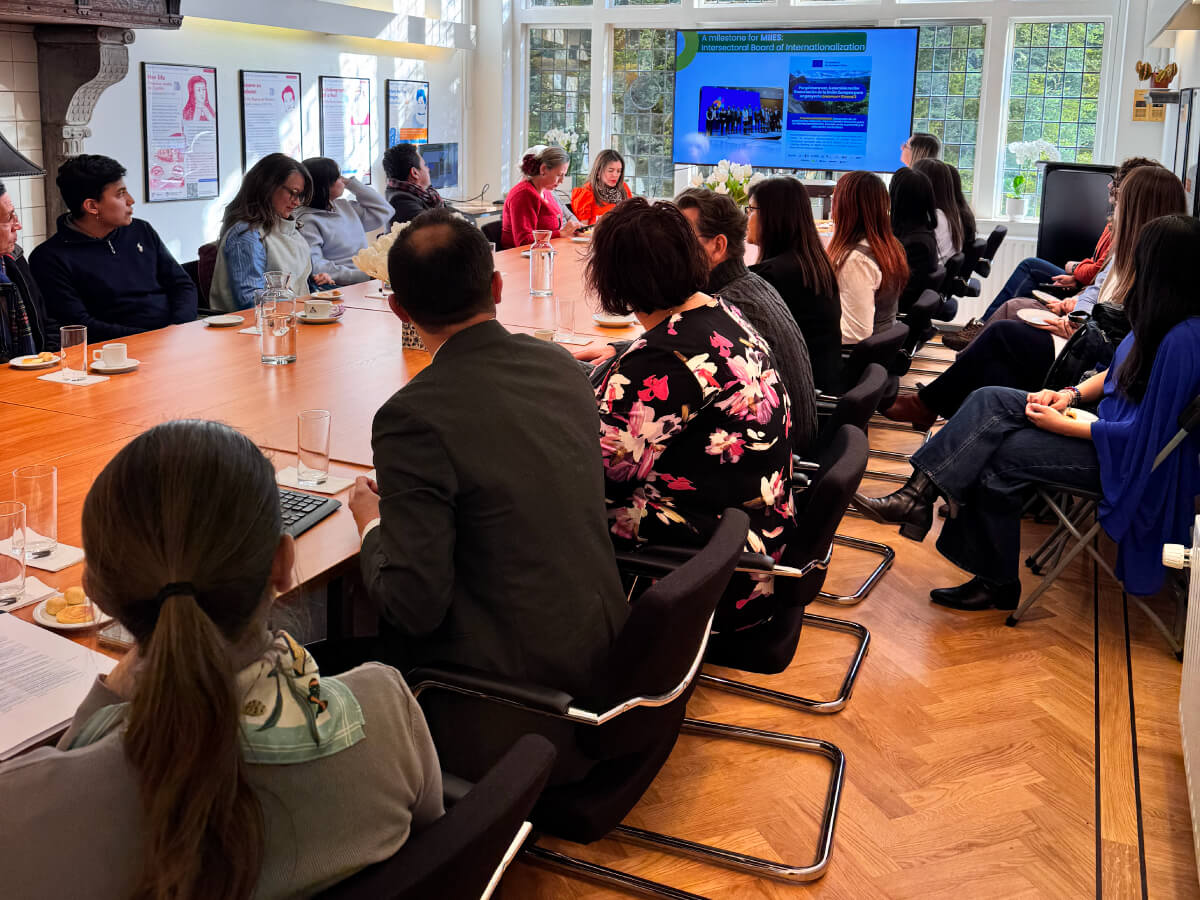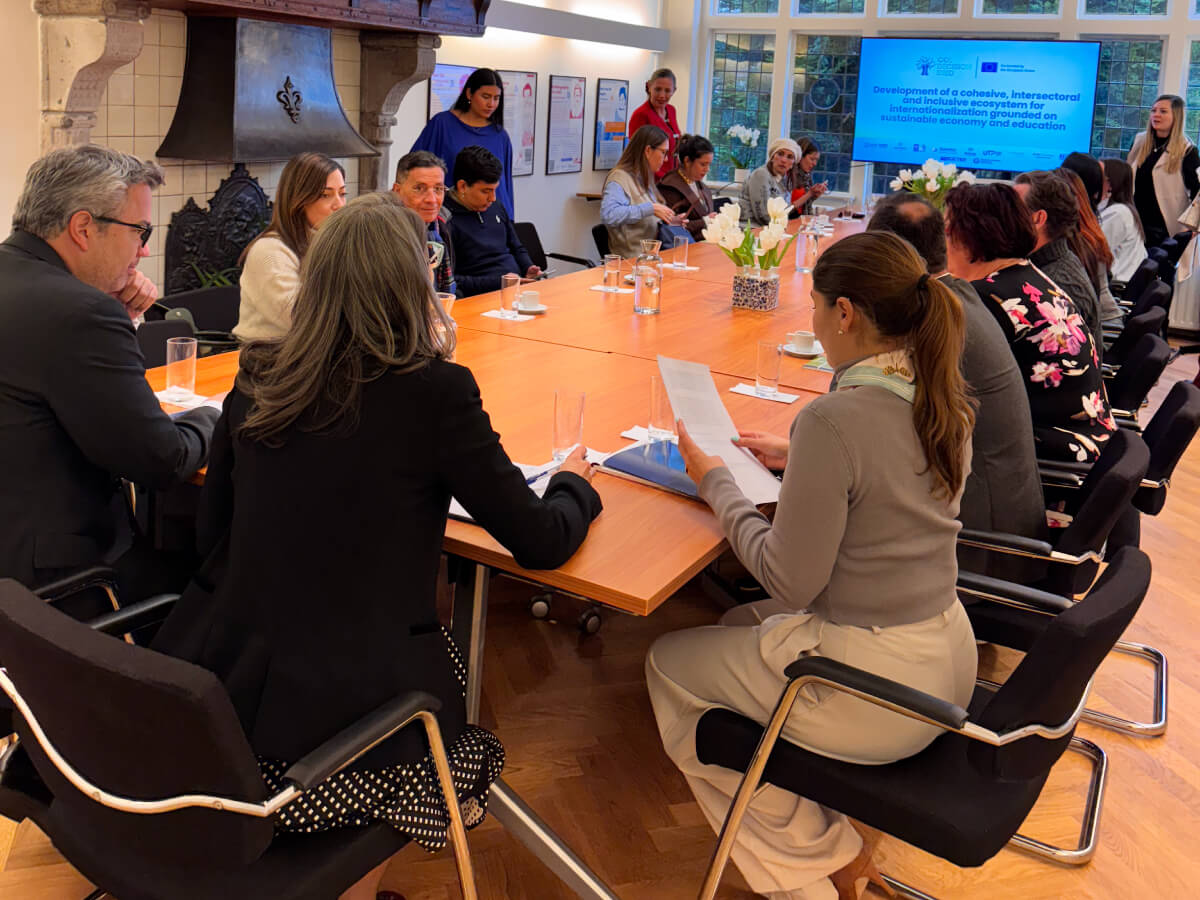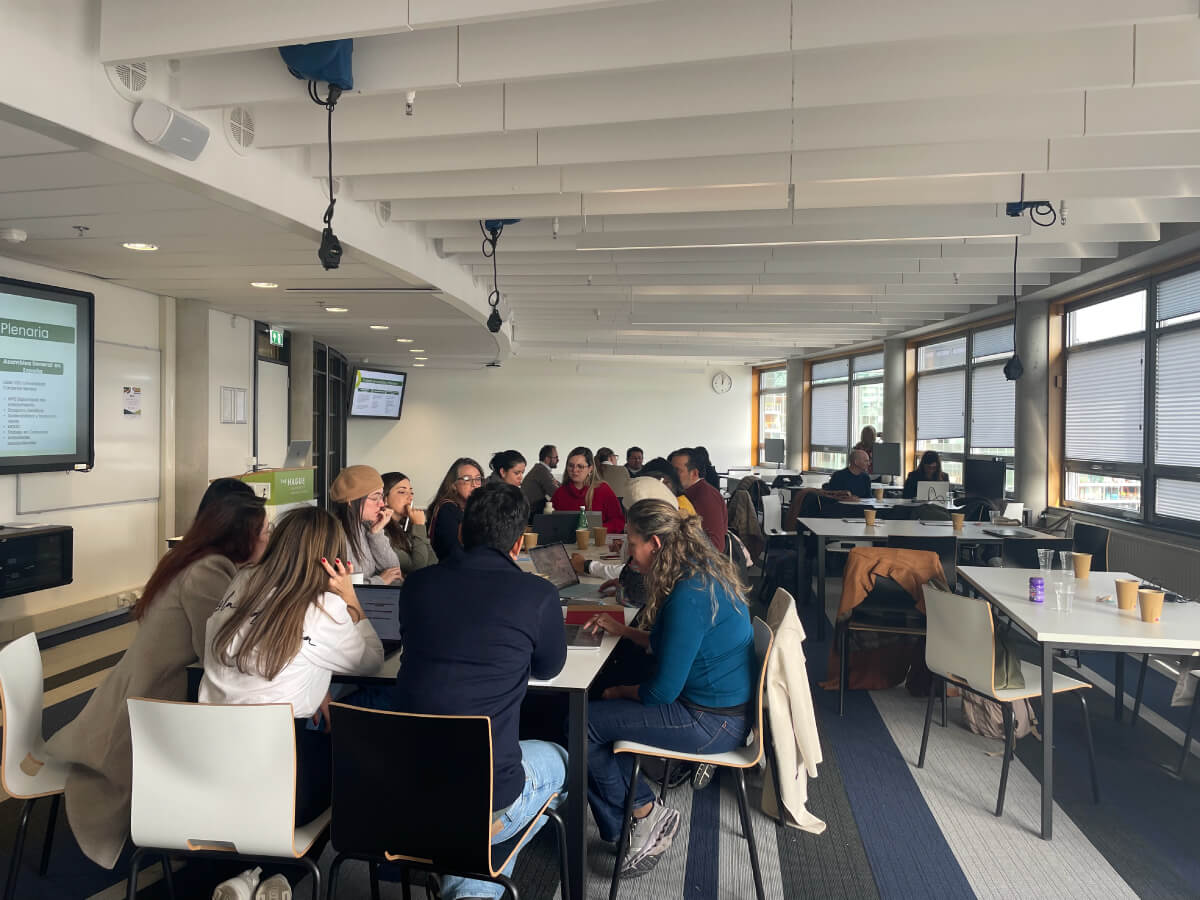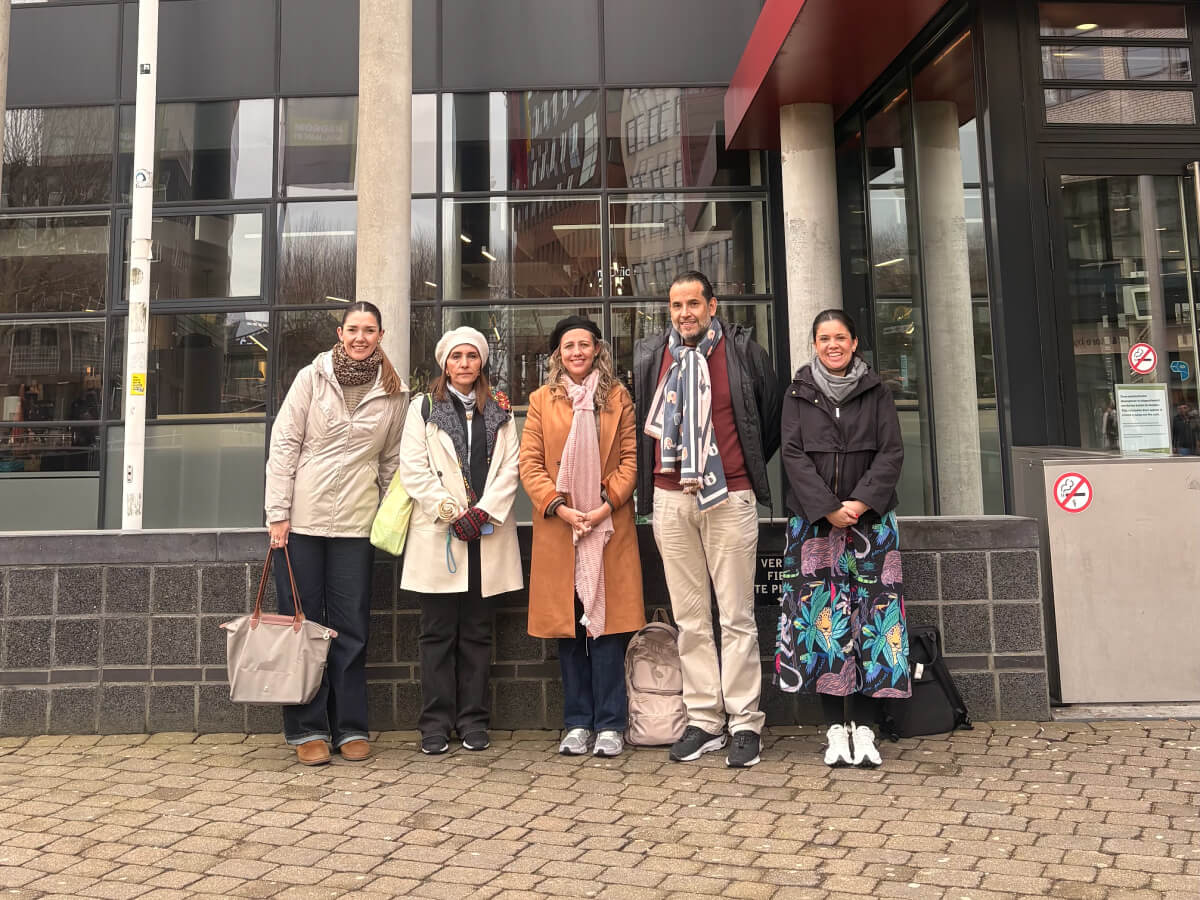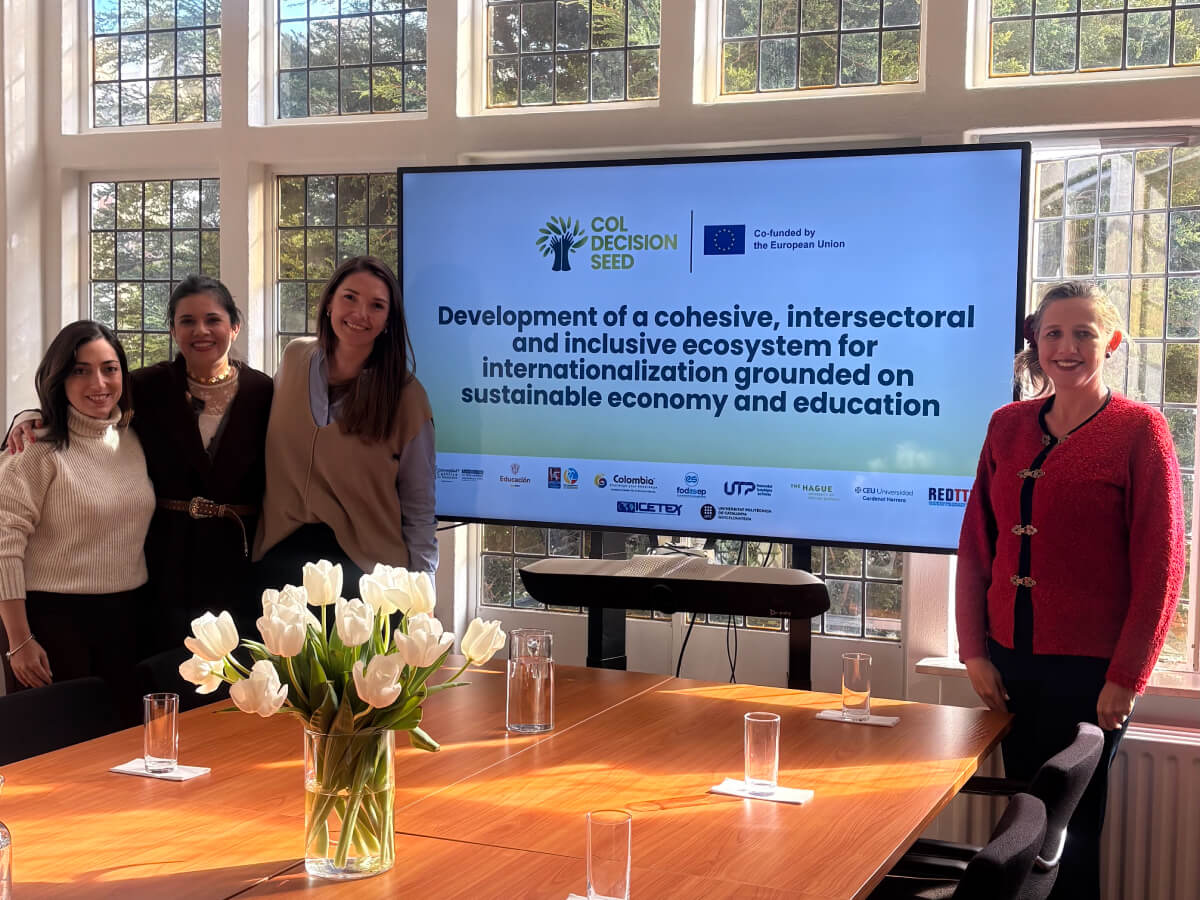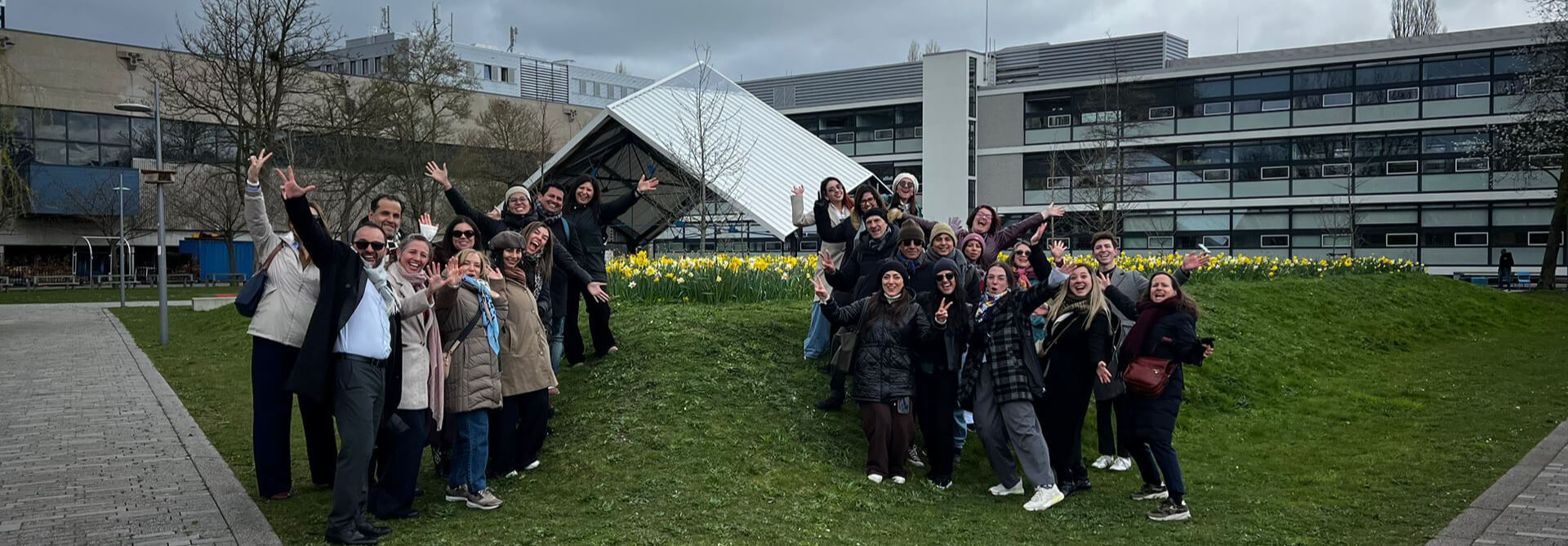

From March 25 to 27, 2026, a strategic agenda took place in the Netherlands במסגרת the COL_DECISIONSEED project, focused on benchmarking intersectoral governance systems for the internationalization of higher education.
The mission, led by The Hague University of Applied Sciences (THUAS), brought together consortium partners to analyze international best practices.
Over three days of intensive work, participants explored the Dutch ecosystem, recognized for its strong systemic integration and its ability to align multiple stakeholders in evidence-based decision-making processes.
A key takeaway was the importance of coordinated governance models with long-term continuity, where strategic priorities remain stable beyond political cycles, enabling effective alignment between academia, government, industry, and civil society.
In this context, living labs such as Binckhaven and The Green Village emerged as applied governance environments. These spaces foster co-creation, experimentation, and validation of solutions in real-world settings, bridging theory and implementation through structured coordination.
The experience of Nuffic highlighted the value of having a specialized agency for internationalization, providing technical expertise, institutional continuity, and a strong coordinating role. This approach broadens internationalization beyond mobility, incorporating lifelong learning and the development of global citizens.
Another relevant aspect was the territorial approach, where strategies are adapted to local realities, strengthening the connection between national and regional levels. The Dutch model also emphasizes open and continuously updated data systems to support informed decision-making and effective monitoring.
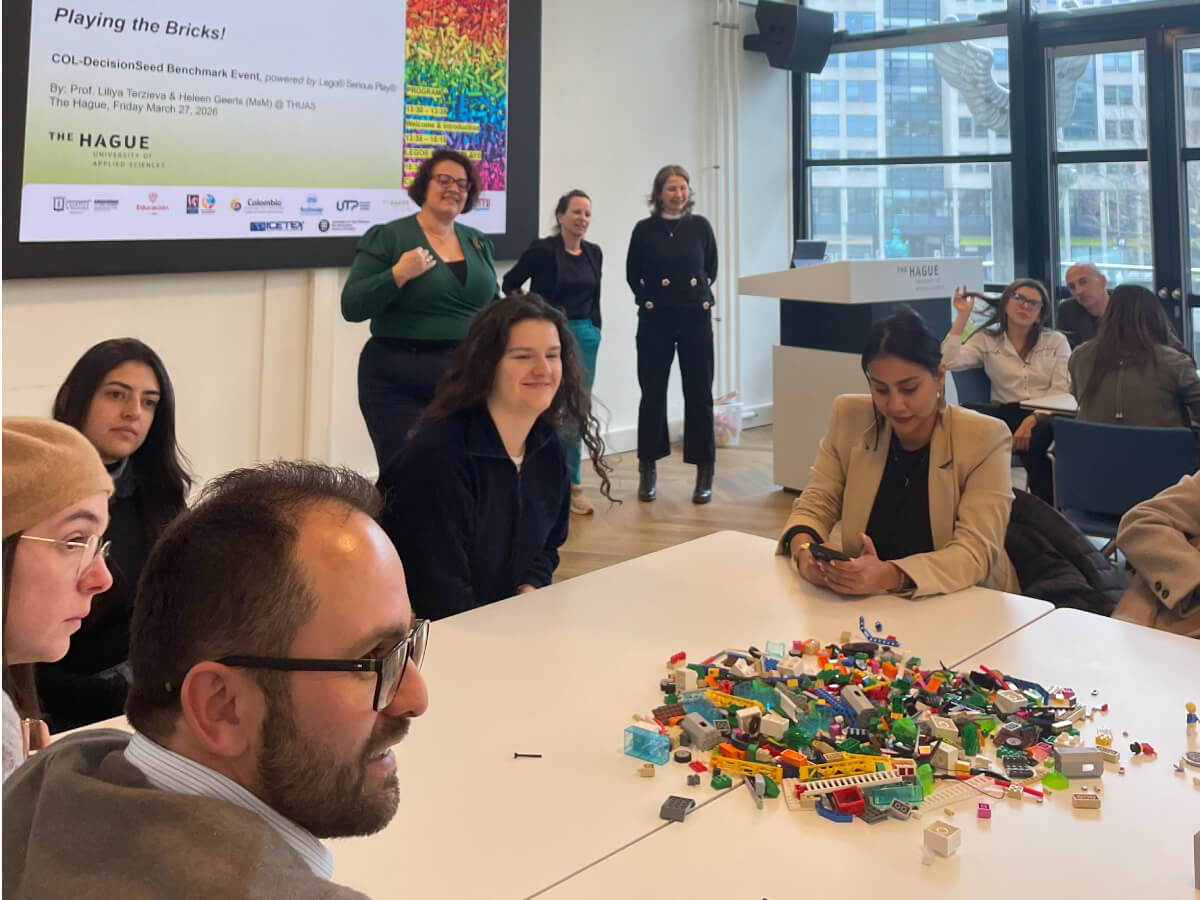
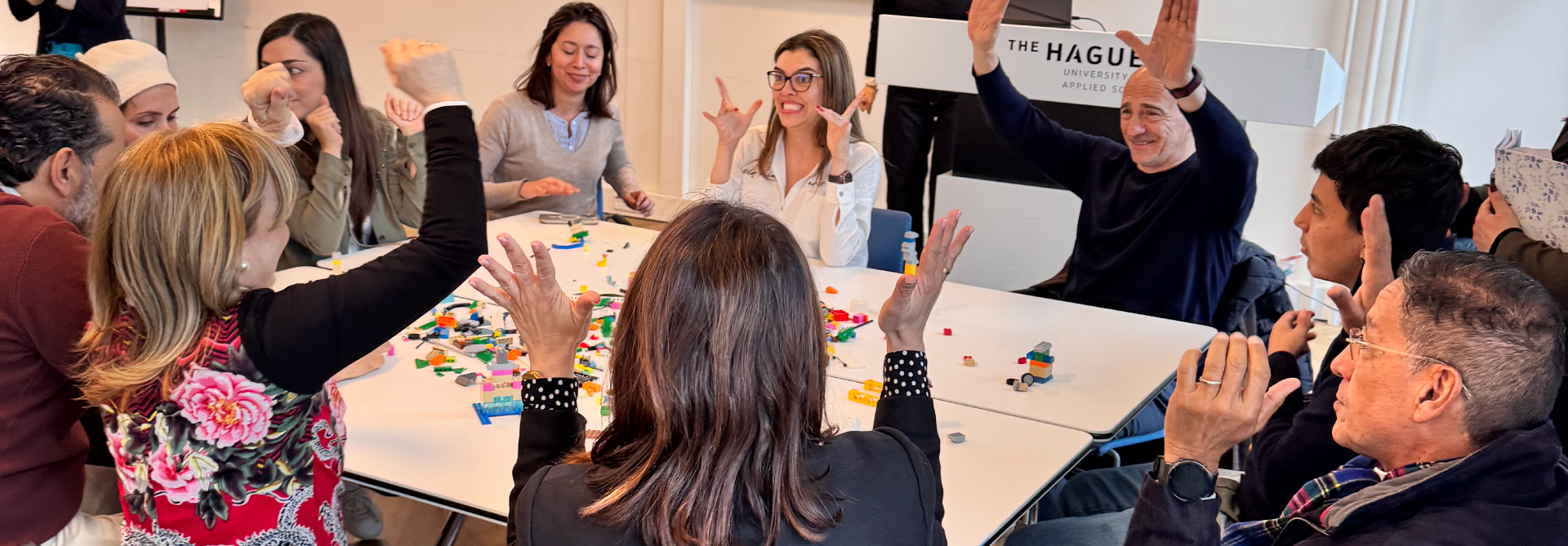
From a methodological perspective, participatory tools such as World Café and Lego Serious Play enabled the transition from reflection to action, fostering collective construction and concrete outcomes within the consortium.
Strategic directions for Colombia
Based on these insights, three strategic directions emerge for Colombia:
- Coordinated governance model: establishment of a specialized technical agency, complemented by rotating secretariat schemes inspired by multilateral organizations.
- Challenge-driven intersectoral articulation: linking internationalization with innovation, sustainability, employment, and territorial development agendas.
Territorial living labs: implementation of real-world experimentation spaces to develop context-driven solutions.
The exercise also revealed key policy gaps in Colombia, particularly in governance structures, intersectoral coordination, and clarity of roles and responsibilities.
There is a clear need to move toward a more structured system, with sustainable funding, integrated data systems, a territorial approach, and a long-term, results-oriented vision.
In this context, the COL_DECISIONSEED consortium emerges as a strategic actor to strengthen Colombia’s internationalization ecosystem through its capacity for coordination, knowledge generation, and the promotion of knowledge diplomacy.