
COL_DECISIONSEED officially launched its implementation with Kick-Off sessions in Bogotá
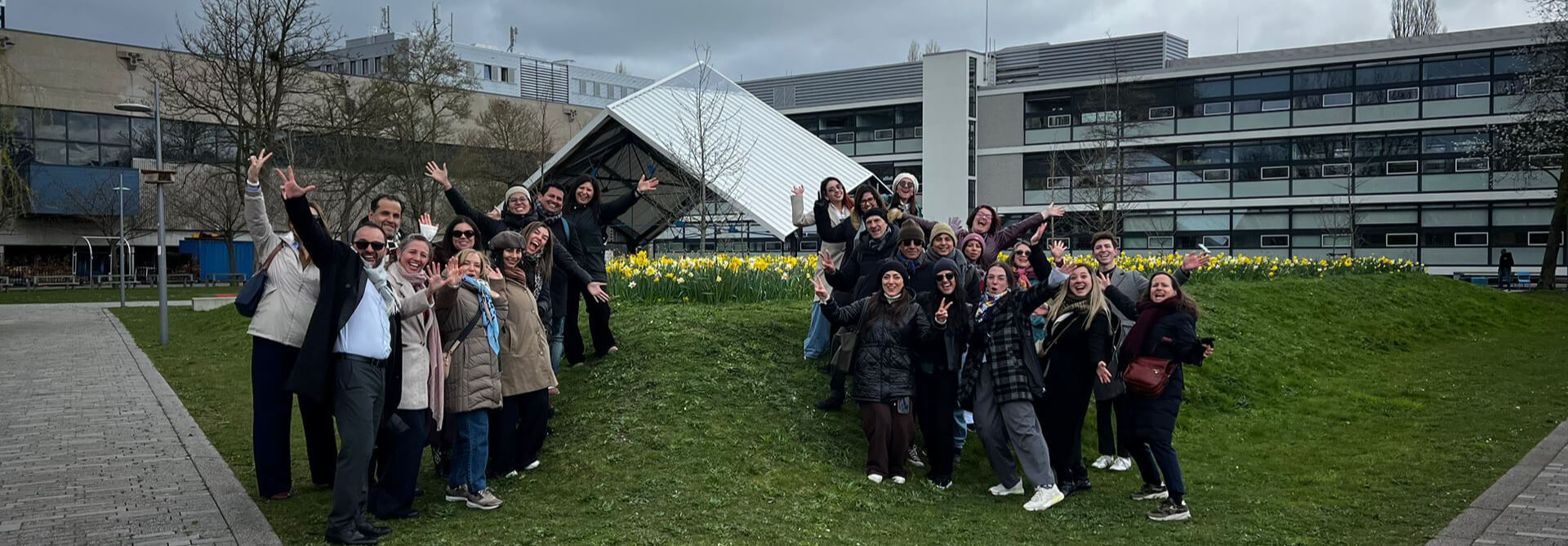
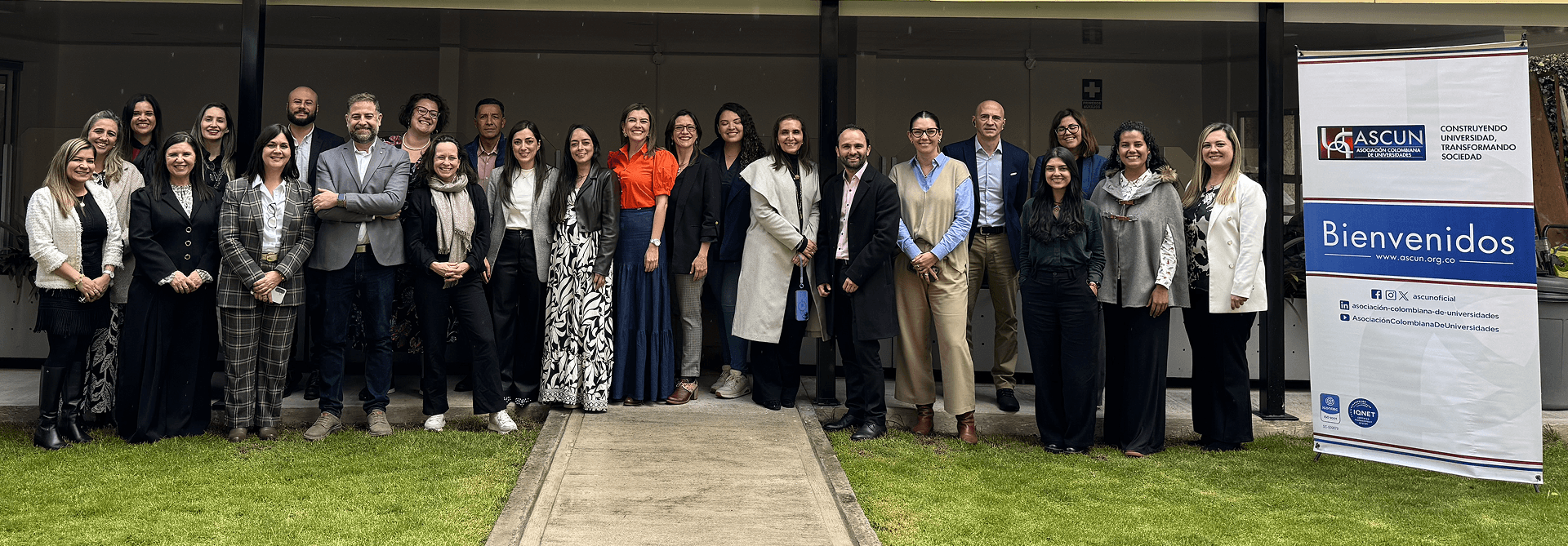
Between January 26 and 28, Bogotá hosted the Kick-Off sessions of the COL_DECISIONSEED project, a key space that marked the formal start of its implementation and enabled the consolidation of this initiative through collaborative work among stakeholders from the higher education ecosystem, international cooperation, and public policy.
The COL_DECISIONSEED project is developed through a national and international consortium that brings together higher education institutions, academic networks, and strategic stakeholders, with the aim of strengthening the internationalization of Colombian higher education with territorial, intersectoral, and inclusive impact.
The project partners are Universidad Católica de Manizales (Colombia), Universidad Tecnológica de Pereira (Colombia), the Ministry of National Education (Colombia), The Hague University of Applied Sciences – THUAS (Netherlands), Universidad CEU Cardenal Herrera (Spain), the Colombian Association of Universities – ASCUN (Colombia), the Colombian Network for Internationalization – RCI ASCUN (Colombia), the Colombia Challenge Your Knowledge Association – CCYK (Colombia), the Higher Education Development Fund – FODESEP (Colombia), and the Network of Public Technical, Technological, and University Institutions – REDTTU (Colombia).
As associated partners, the project includes the participation of the Presidential Agency for International Cooperation of Colombia (APC Colombia), the Colombian Institute of Educational Credit and Technical Studies Abroad – ICETEX (Colombia), and the Universitat Politècnica de Catalunya (Spain).
During the Kick-Off sessions, a collaborative work agenda was carried out to align visions, methodologies, and commitments for the coming years of project implementation. Activities included integration and contextualization spaces, a general presentation of the project, awareness sessions on the DECISIONSEED approach, as well as mapping and benchmarking exercises of complex ecosystems, aimed at building value networks and strengthening territorial development.
One of the central moments of the meeting was the panel on intersectoral governance, where discussions advanced on multi-level coordination models for a more cohesive, inclusive, and sustainable Colombian ecosystem. This space was complemented by a co-creation workshop on the Ecosystem for cohesive, sustainable, and transformative internationalization, in which partners defined joint work pathways and strategic priorities.
The international dimension of the project was strengthened through the presentation of experiences and best practices in internationalization in Europe, led by The Hague University of Applied Sciences and Universidad CEU Cardenal Herrera, providing a comparative perspective that will enrich the project’s implementation in Colombia.
Key aspects for project management and implementation were also addressed, such as quality and financial guidelines, budget structure, work package strategies, and the dissemination strategy, ensuring implementation aligned with Erasmus+ standards. Additionally, CCYK led a session on renewable energy in Colombia, linking internationalization with the green transition and sustainable development.
A major milestone of the sessions was the discussion on Colombia’s internationalization strategy from a governmental perspective, with the participation of the Ministry of National Education and the Presidential Agency for International Cooperation of Colombia (APC Colombia), reaffirming the project’s alignment with national public policy and international cooperation objectives.
About the COL_DECISIONSEED Project
COL_DECISIONSEED is a three-year Erasmus+ CBHE (Strand 3) project focused on influencing public policy and strengthening the systemic internationalization of higher education. The initiative promotes the development of the Empathetic Ecosystem as a cohesive environment that connects higher education institutions, public entities, the productive sector, and international stakeholders to foster cooperation, public policy development, and sustainable growth based on education, science, technology, and innovation.
The project represents a milestone for the country as it is the first Colombian consortium to receive co-funding from the European Commission, through the European Union, for this type of structural Strand 3 action. It aligns with strategic priorities such as Global Gateway, EU–LAC bi-regional cooperation, impactful internationalization, and the green transition.
From CCYK, we reaffirm our commitment to an articulated, inclusive, and transformative internationalization that connects territories, strengthens cooperation between Europe and Latin America, and generates sustainable impacts for Colombian higher education.